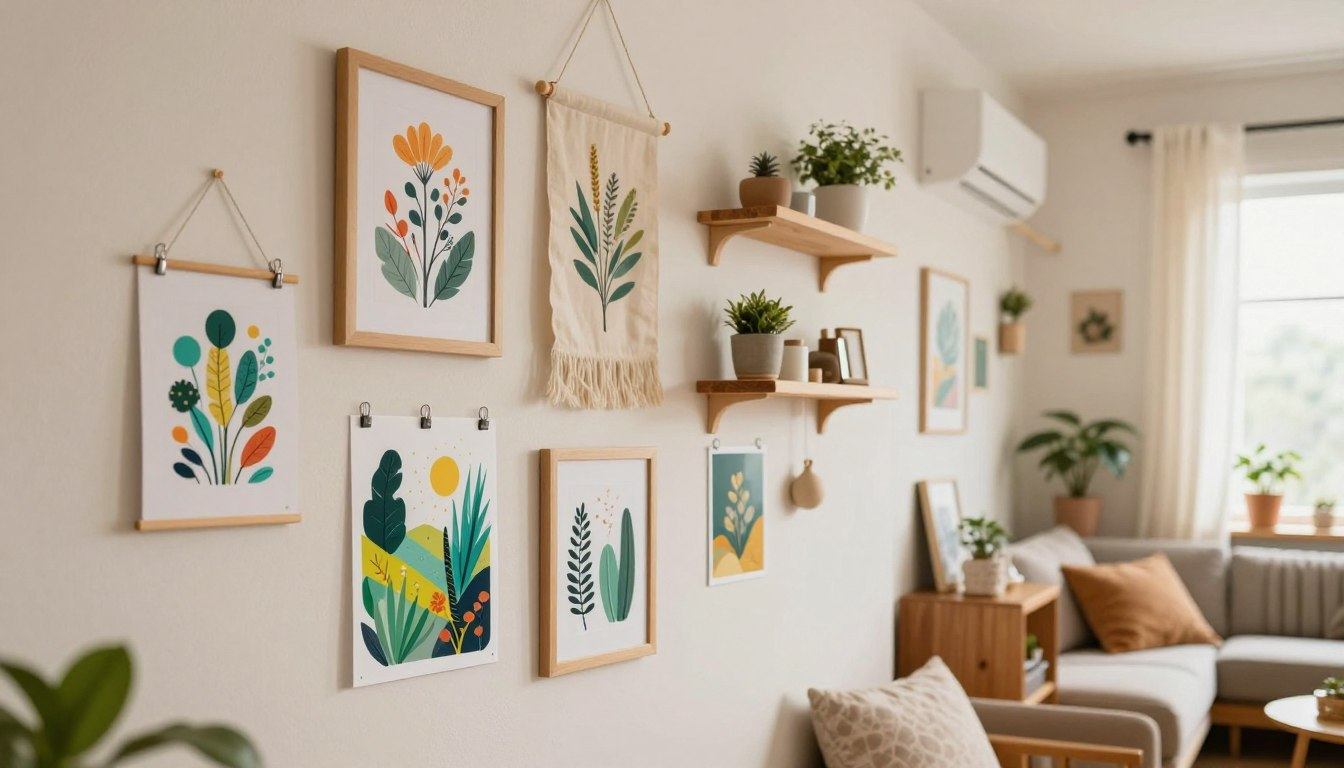
As someone who has moved through five different apartments in the last decade, I know the sheer panic of staring at a blank wall and wondering, “Will hanging this canvas cost me my security deposit?” You aren’t alone—nearly 70% of renters leave their walls bare out of fear. But living in a rental doesn’t mean you have to settle for a sterile, lifeless space.
Based on community feedback and real-world testing, you’ll discover safe, effective ways to hang your favorite pieces using advanced Command™ strips, industrial Velcro, and removable hooks. These modern methods are perfect for renters because they don’t harm your walls, allowing you to swap out seasonal decor without leaving a single mark or peeling your paint.
In this guide, we dive into how to properly prep your surfaces, calculate weight limits, and safely remove adhesives. We will also explore creative, kid-safe alternatives like leaning frames, tension rods, and removable wallpaper, proving you can curate a stunning home without a single nail or drill.
Why Choose Damage-Free Decor for Rental Walls?
Damage-free hanging empowers you to showcase your personality without breaking lease agreements. By utilizing modern adhesive strips and strategic leaning techniques, you can transform a temporary apartment or dorm into a personalized sanctuary without worrying about restrictive painting rules.
Protecting Your Security Deposit (And Your Peace of Mind)
Landlords are notoriously quick to deduct money from your deposit for minor wall repairs and spackling. Utilizing renter-friendly decor acts as an insurance policy for your deposit. Smart choices like adhesive picture ledges and no-drill brackets ensure you get your full check back when it’s time to move out.
Avoiding Cracked Drywall and Peeling Paint
Traditional nails and heavy screws don’t just leave holes; they can cause older plaster to crumble and modern drywall to crack. Choosing non-destructive options preserves the structural integrity of your space. High-quality adhesives are specifically formulated to release cleanly from standard interior paint.
The Aesthetic and Practical Benefits
Beyond saving money, damage-free hanging offers unmatched flexibility. You aren’t locked into one layout forever. Modern rail systems and adhesives allow you to rotate art seasonally or adjust heights on the fly, giving you a polished, high-end look without a toolbox.
Adhesive Strips and Removable Wall Hooks

Gone are the days when adhesives could only hold up a lightweight paper poster. Today, you can hang heavy framed photos, canvases, and even small wooden shelves using advanced adhesive technology from trusted brands like 3M Command.
How Command Strips and Adhesives Work
Command strips use a specialized interlocking fastener system paired with a stretch-release adhesive. They form a strong bond on painted drywall, sealed wood, tile, and glass. For larger gallery walls, multi-pack kits allow you to distribute weight securely across several contact points.
Weight Limits and Safety First
Never guess a product’s weight limit. Standard picture strips usually support up to 16 lbs per set, while newer heavy-duty options can hold up to 20 lbs. Always weigh your frame before purchasing, and use multiple strips to distribute the weight safely.
Step-By-Step Guide to Isopropyl Alcohol Prep and Application
- Clean a 2–4 inch mounting area with isopropyl rubbing alcohol on a lint-free cloth. Do NOT use household cleaners, as they leave a slippery residue.
- Wait for the alcohol to completely evaporate and the wall to dry.
- Attach the strips to the back of the frame, then press firmly against the wall for 30 seconds.
- Remove the frame from the wall and wait at least one hour before re-hanging the art to ensure a permanent bond.
To safely remove them when moving day arrives, never pull the tab toward you. Grasp the tab and slowly pull straight down parallel to the wall, stretching the adhesive until it releases cleanly.
Velcro and Heavy-Duty Hook-And-Loop Systems

When to Upgrade to Industrial-Strength Hook-and-Loop Tape
While standard strips work for thin frames, medium-weight canvases and bulky frames benefit from industrial-strength hook-and-loop solutions. These products hold securely to the wall without causing damage. For large, stretched canvases, running a continuous strip of Velcro along the top distributes weight beautifully.
Alignment and Rating Testing
Use a bubble level and painter’s tape to mark precise mounting spots. Wait 24 hours after applying the adhesive backings to the wall before securing your heavy art. Heavy-duty hook-and-loop solutions can hold up to 20 lbs per pair when applied to clean, untextured drywall.
Proper Removal and Paint Care
Follow the same stretch-release removal technique. If any slight residue is left behind, apply a gentle, renter-safe adhesive remover. Always test removers on a hidden spot (like behind the sofa) first. Avoid pressing hard on fresh or exceptionally thin paint.
Leaning, Layering, and Furniture Displays

Creating the Casual Gallery Look
You can get an incredibly polished, editorial look without lifting a hammer. Simply lean oversized frames and mirrors against the wall. Place large statement pieces on the floor, your mantel, or a console table, and tilt them slightly back. This produces a sophisticated, gallery-style ambiance perfect for entryways or studio apartments.
A Quick Safety Warning for Families and Pets
If you have toddlers or energetic pets, leaning large, heavy mirrors directly on the floor is a major safety hazard. Always secure leaning items with heavy-duty removable wall anchors or no-drill straps. Safety should always supersede style when decorating an active household.
Layering for Depth and Picture Ledges
Layering creates immediate depth. Start with a large canvas as a backdrop, then layer smaller, textured frames in front. Bookcases are excellent flexible spaces—mix framed prints with houseplants and ceramics. If your rental allows tiny holes or if you are willing to patch them later, shallow picture ledges are phenomenal for rotating art seasonally without repeated wall stress.
Tension Rods, Ceilings, and No-Drill Mounts

Vertical Displays with Tension Rods
Think beyond the shower curtain. Heavy-duty tension rods installed horizontally across wide windows or vertically between floor and ceiling offer brilliant zero-drill display systems. You can string wire, hang S-hooks, or clip small prints, freeing up wall space in tight rentals.
Removable Ceiling Hooks for Lightweight Decor
Need to hang lightweight plants or mobiles? Removable adhesive ceiling hooks offer excellent vertical interest without requiring power drills. These hooks easily support 1–5 lbs when properly secured to clean ceiling drywall or plaster.
| Method | Best For | Typical Weight Limit | Pros & Cons |
|---|---|---|---|
| Tension Rod Gallery | Multi-level prints, string lights | 10–30 lbs per rod | No wall holes, adjustable height / Needs secure floor/ceiling contact |
| Removable Ceiling Hooks | Plants, mobiles, lightweight decor | 1–5 lbs depending on hook | Great for vertical accents / Must match ceiling surface type |
| No-Drill Mounting Strips | Medium-weight art, small shelves | 5–20 lbs | Versatile and removable / Adhesive failure risk on dirty walls |
Hanging Rails and Picture Molding
Leveraging Traditional Picture Molding
If you’re lucky enough to rent a vintage home with picture molding, use it! Picture molding acts as a long, architectural anchor near the ceiling, spreading the load evenly across the room. Specialized hooks hook over the molding, allowing you to suspend heavy artwork via elegant wire or cord.
No-Drill Hanging Rails
If you lack built-in molding, explore renter-friendly, adhesive rail systems. These tracks attach to the wall via strong, removable adhesives and utilize sliding cables. They effortlessly move weight from a single nail hole to an entire track, making them incredibly robust and highly professional.
When to Call an Installer
If you’re dealing with exceptionally valuable, antique, or ultra-heavy art (like a 60lb antique mirror), consult a professional art installer. Sometimes it is cheaper to hire an installer to safely mount a specialized heavy-duty anchor—and simply patch the hole when you leave—than risk thousands of dollars in shattered glass.
Temporary Visuals: Decals, Wallpaper, and Putty
Adhesive Wall Decals and Removable Wallpaper
You can dramatically alter an entire room’s vibe without touching a hammer. High-quality adhesive wall decals peel off cleanly when following the manufacturer’s removal instructions. Use decals to create bold feature walls in kids’ rooms or geometric backdrops above your sofa.
Peel-and-stick removable wallpaper lets you transform a sterile kitchen backsplash or dining nook effortlessly. Always wipe the wall down with a damp cloth to remove dust before installation, ensuring a smooth, air-bubble-free finish. Follow the recommended dwell time so the paper doesn’t rip your landlord’s paint off upon move-out.
Mounting Putty and Glue Dots
Wall putty (like Blu Tack) and removable glue dots are lifesavers for hanging lightweight paper art, polaroids, and LED string lights. They are highly effective for dorm rooms or seasonal decor.
Decorating Small Apartment Walls Step-By-Step
Start by auditing your wall texture, weighing your artwork, and assessing the room’s humidity (bathrooms need specialized water-resistant adhesives). On smooth drywall, Command™ strips are your absolute best friend. But textured plaster? Skip the strips and utilize a sturdy picture ledge or a tension rod instead.
Always test one mount on an inconspicuous spot (like behind a bedroom door) before hanging a massive gallery. Let adhesives set for the brand’s recommended time—usually one hour—before hanging a heavy frame. Mixing these methods allows for depth, flexibility, and a stunning aesthetic.
Conclusion
Renting doesn’t mean compromising on aesthetics. By utilizing strategic adhesive systems, industrial Velcro, tension rods, and creative leaning techniques, you can completely personalize your apartment while keeping your security deposit safe. Always prioritize wall preparation with isopropyl alcohol, adhere strictly to product weight limits, and prioritize child safety when leaning large pieces.
FAQ
What exactly does “damage-free hanging” entail?
Damage-free hanging utilizes specialized adhesives, tension systems, or structural leaning to display art and decor without puncturing drywall or cracking paint. It ensures you recover your security deposit while fully personalizing your rental space.
How do I correctly prep the wall for adhesive strips?
Always wipe the target area down with standard isopropyl rubbing alcohol and let it air dry completely. Avoid using standard household glass or surface cleaners, as they leave microscopic chemical residues that prevent adhesives from forming a secure bond.
Are adhesive mounts safe for all paint and finishes?
No. Standard adhesives work brilliantly on smooth, painted drywall and glass, but they notoriously struggle on heavily textured plaster, unpainted brick, or fresh paint that hasn’t cured for at least 30 days. Always test in a hidden area.
How can I safely secure leaning mirrors if I have children or pets?
If you lean heavy objects on the floor, utilize heavy-duty removable furniture anchors to strap the back of the frame to the wall. This prevents accidental tip-overs and keeps your active household safe without requiring permanent drilling.
What should I do if adhesive residue is left behind during move-out?
If a strip snaps or leaves sticky residue, avoid aggressively scraping the wall. Apply a tiny amount of heat via a hair dryer or use a gentle, renter-safe adhesive solvent (like Goo Gone) to carefully dissolve the remaining glue without damaging the paint underneath.